New York Times Opinion
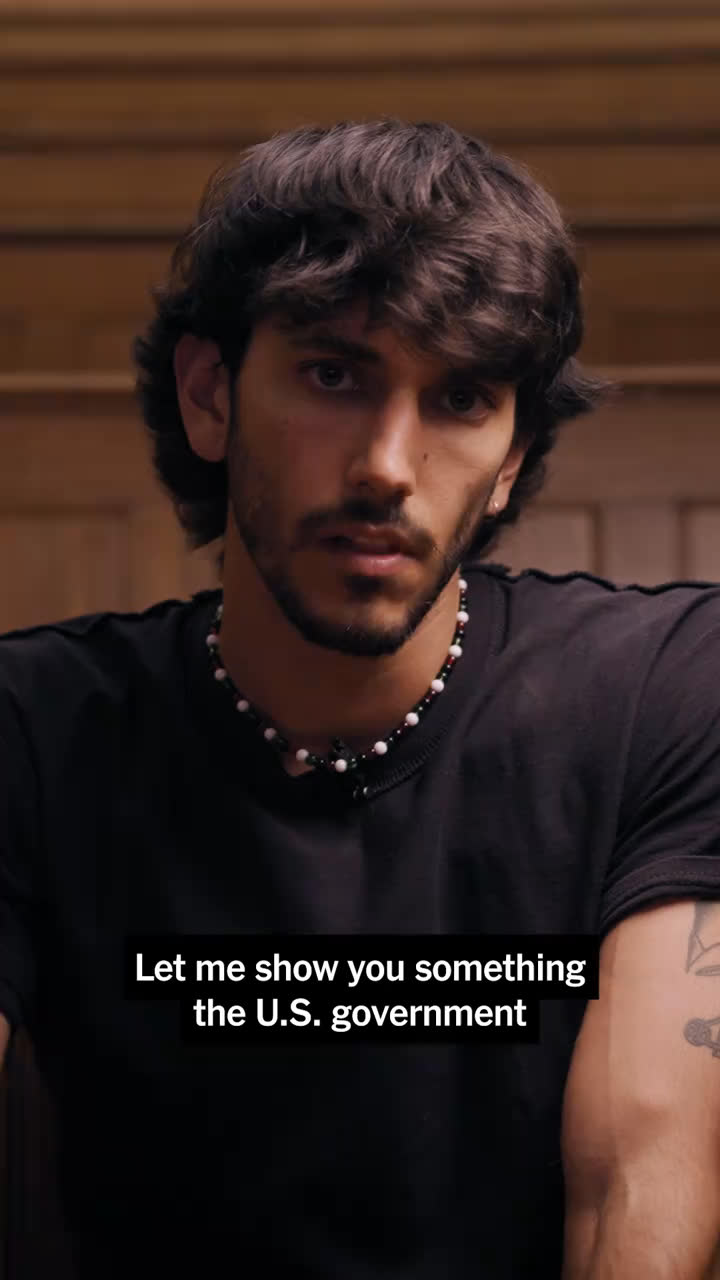
Open-source researchers like Ollie Ballinger use satellite imagery to monitor conflicts and natural disasters around the world. These images have helped uncover destruction in Gaza, mass graves in Ukraine, internment camps in China and the Minab school strike in Iran. But now, Ollie is seeing something different: a blackout. He used to purchase high-resolution images of the Middle East from multiple U.S.-based companies. Recently, however, getting access to that imagery has become difficult. The reason? The U.S. government is pressuring private satellite companies to restrict what they share. The result is less visibility into what’s happening in some of the world’s most critical regions, which means that less information is available to the public. “There’s a lot to lose when our view from space is blocked,” Ollie says. “And the public has a right to see the earth without government censorship.” | 🎥 Zach Toombs and @evidentmedia #nytopinion

