


American Military
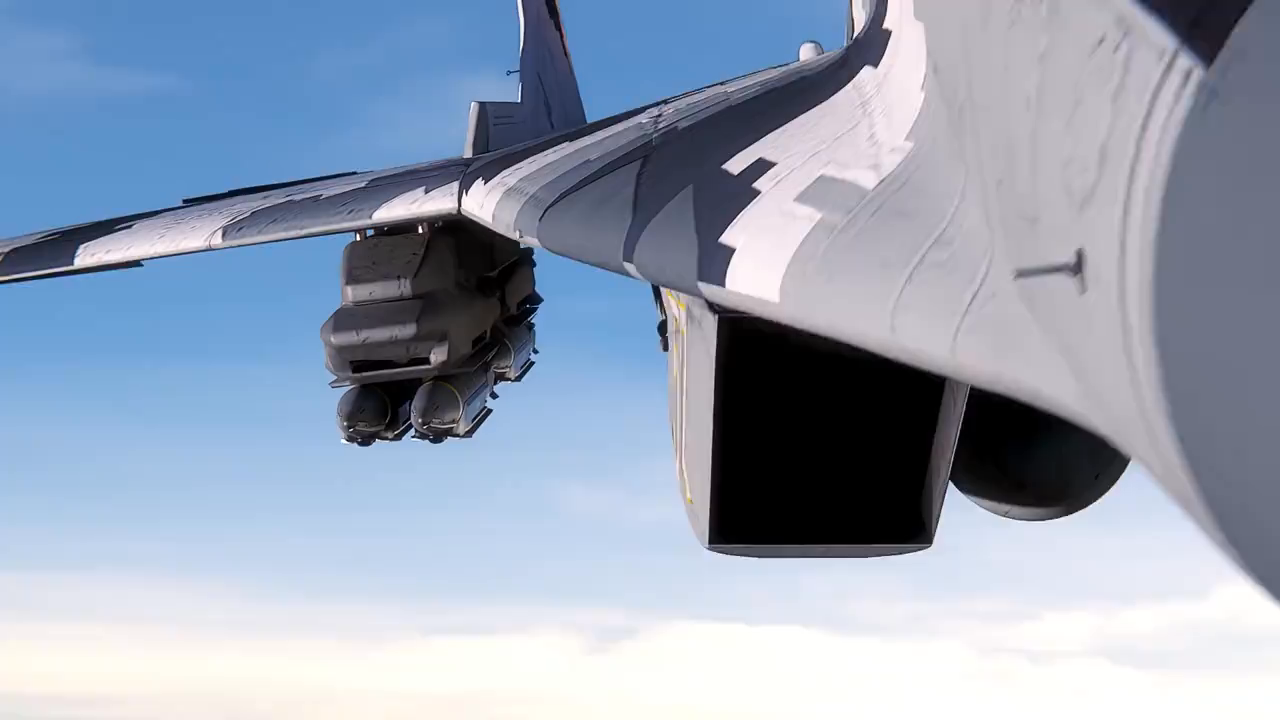
PART 2 ; Ukraine Just Used The Deadliest Aircraft In History On Russia A Ukrainian MiG-29 hugs the dirt at ten and a half miles a minute with eight American-made GBU-39 Small Diameter Bombs under its wings, and ninety miles ahead, a Russian S-400 Triumf battery is waiting for the one move the mission demands. This is the full breakdown of that ninety-second window: how a Soviet-built fighter carries NATO glide bombs on BRU-61/A racks through a custom Ukrainian adapter, why the 91N6E Big Bird radar can track targets 180 miles out but not a jet at 200 feet, and what happens when two 48N6DM missiles chase a pilot who refuses to stay above the radar horizon. Then the second race begins. A MiG-31BM Foxhound launches an R-37M, one of the longest-reaching air-to-air missiles ever fielded, at a target diving for the deck. While the pilot fights for his jet, eight bombs glide on alone, straight through an R-330Zh Zhitel GPS-jamming corridor and into the last fence at Komar: a Pantsir-S1 with twelve 57E6 missiles, twin 30mm autocannons, and a sixty-second window. Six hits inside a stopwatch. Russia's longest-ranged air defense system, its farthest-shooting interceptor, and its premier point defense all spent against $40,000 bombs. And a smoke column that tells analysts exactly what that long, low building on the eastern edge of Komar really was. #ukraine #russia #beyondmilitary
American Military
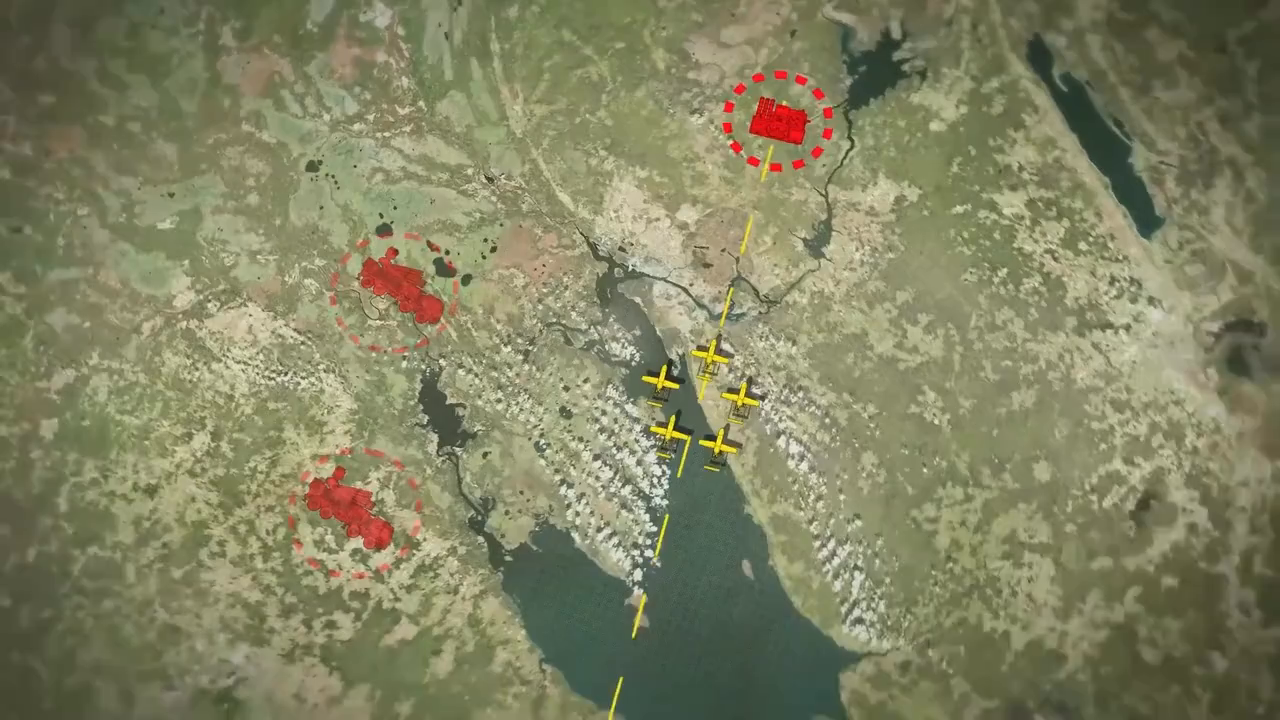
PART 4 ; The Only Thing Putin FEARED Losing... Ukraine DESTROYED It This is the reconstruction of a Ukrainian long-range drone strike that walked eight hundred kilometers through every layer of Russian air defense and hit the Cherepovets-Azot chemical plant — one of the largest ammonia and ammonium nitrate producers in Russia, and a critical feeder to Russian artillery shell production. The strike package combined two drone types working in concert: Fire Point decoy airframes — the ANVILs — as the cheap forward wave, and Liutyi long-range strike drones — the HAMMERs — carrying Skynode S autonomy modules from Auterion, a Swiss-American autonomy firm whose camera-navigation brain has been quietly landing on Russian infrastructure for two years. The Skynode S navigates by camera rather than by GPS, which made the entire Russian GPS-jamming network irrelevant for the final six hundred kilometers of the flight. We break down every defensive layer the formation crossed: the Tor-M2 short-range intercept, the MiG-31BM attempting to engage with a Doppler radar designed for cruise missiles, the S-400 Triumf battery that watched the flock cross and never fired, the Pole-21 jamming blanket, the Pantsir-SM with its new 48-tube mini-missile loadout, and a catapult-launched kinetic interceptor drone. We explain why PhosAgro's anti-drone framework welded over every ammonia storage sphere accidentally gave Ukraine a map to the unhardened targets next door, and what the loss of two ammonia production lines means for Russian artillery shell output in the months ahead. #ukraine #russia #beyondmilitary
American Military
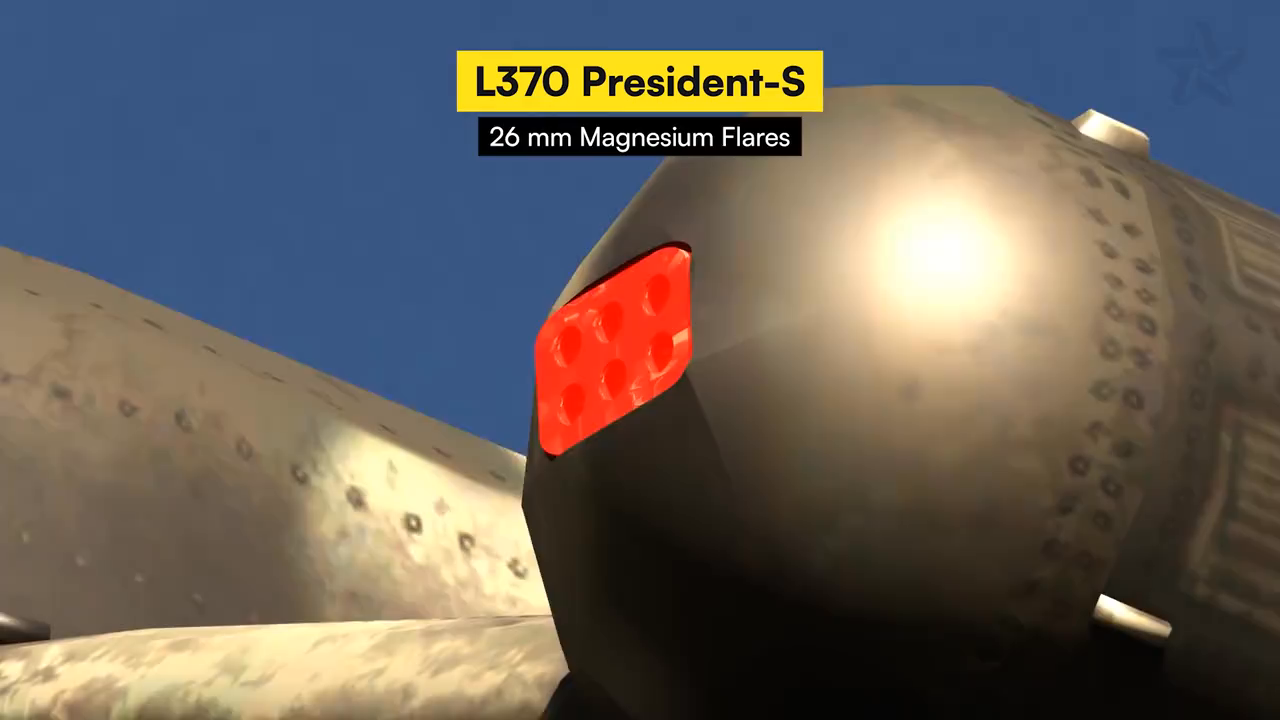
PART 3 ; Ukraine Just Turned a “$500 Drone” Into Russia’s Worst Nightmare A $500 drone. A $16 million attack helicopter. One spinning part decides it. At 10:00 in the morning on July 15, 2026, over Russia's Belgorod region, a Russian Mi-28N Night Hunter, NATO codename Havoc, flies the same patrol corridor it has flown all week. Unknown to its crew, operators of Ukraine's 427th Separate Unmanned Systems Brigade "RAROG" have logged every pass, and a Shrike 10 FPV attack drone is parked 2,600 feet above the flight path, waiting in the sun glare. This is the anatomy of a modern aerial ambush: how a week of pattern-of-life intelligence turns a gunship's route into a speed trap; why the Mi-28's N025 Arbalet radar can find a tank at ten miles but can't see a hovering quadrotor directly overhead; how the 30mm 2A42 chin cannon and the L370 President-S flare system both come up short against a threat with no rocket plume and no heat signature; and how frequency-hopping radio links fight through the R-330Zh Zhitel and Silok-01 jammers guarding the border. Then the endgame: a gravity-assisted dive past 125 mph, a rotting video link, and an RPG warhead on a plastic airframe aimed not at the armored cockpit but at the one address no helicopter on Earth can armor, the spinning rotor head itself. #ukraine #russia #beyondmilitary


