



New York Times Opinion
American culture is losing its global influence. But what’s replacing it? On “The Opinions,” Euny Hong argues that multinational corporations have more power over culture than South Korea, Japan and the United States do. Silicon Valley, with all of its tech companies, has “much more power than America as a country,” she says. | 🎥 Steph Khoury #theopinions #nytopinion

New York Times Opinion
President Trump had an advantage with working-class voters, but that edge is starting to give way, argues E.J. Dionne on “The Opinions.” Tim Carney, a columnist for The Washington Examiner who joins the discussion, agrees. He says the irony in Trump’s economic approach is that he is practicing a kind of politics he associates with Democrats — disrupting people’s livelihoods and then trying to make up for it with government benefits. “That's never worked for the Democrats, but that's exactly what Trump is trying today,” Carney says. | 🎥 Brandon Belk-Yee #theopinions #nytopinion
New York Times Opinion
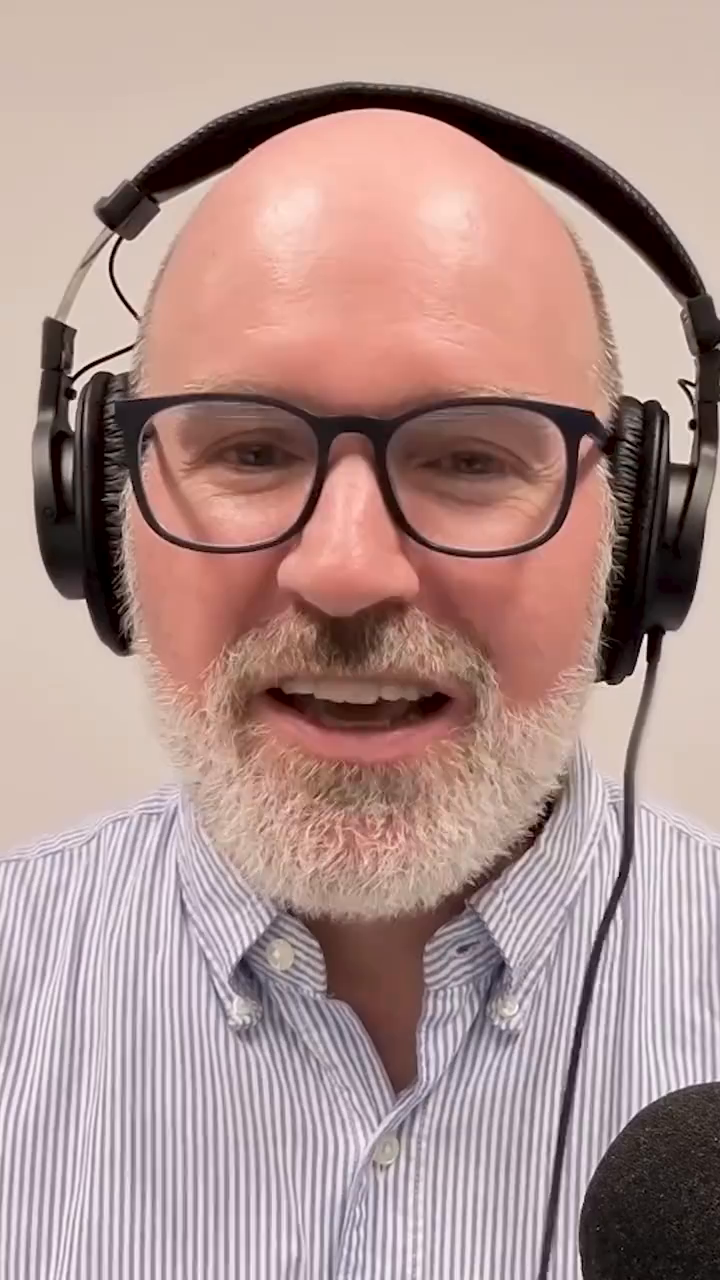
A.I. companies trawled the internet to train their models. “This whole industry is built on theft,” Binyamin Appelbaum argues on “The Opinions.” For too long, he tells David Wallace-Wells, Silicon Valley has operated with a “cultivated sense of immunity,” but now it’s time to hold tech companies to the same legal rules as everyone else. | 📷 Kristen Williamson #theopinions #nytopinion


